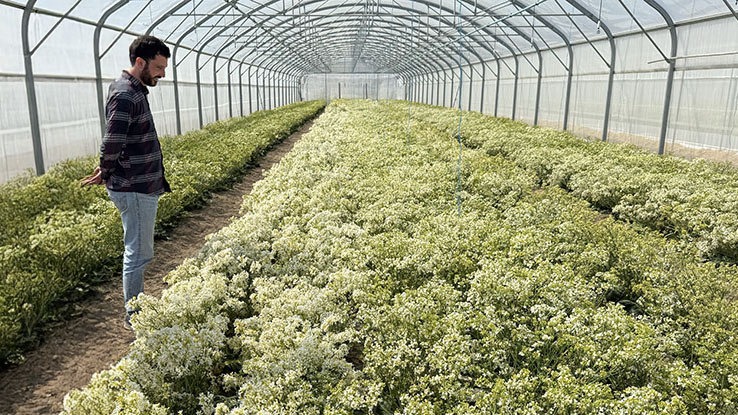
Seed World Europe shines a spotlight on Polyfly: the hoverfly revolution reaches the seed industry



The prestigious specialist magazine Seed World Europe has recently highlighted our revolution in the field, dedicating a prominent feature to analysing how we are transforming the industry. In an in-depth interview, our CEO, Marc Vaez-Olivera, shared with the international publication the key aspects of our technology and the vision that has led us to pioneer hoverfly-based pollination.
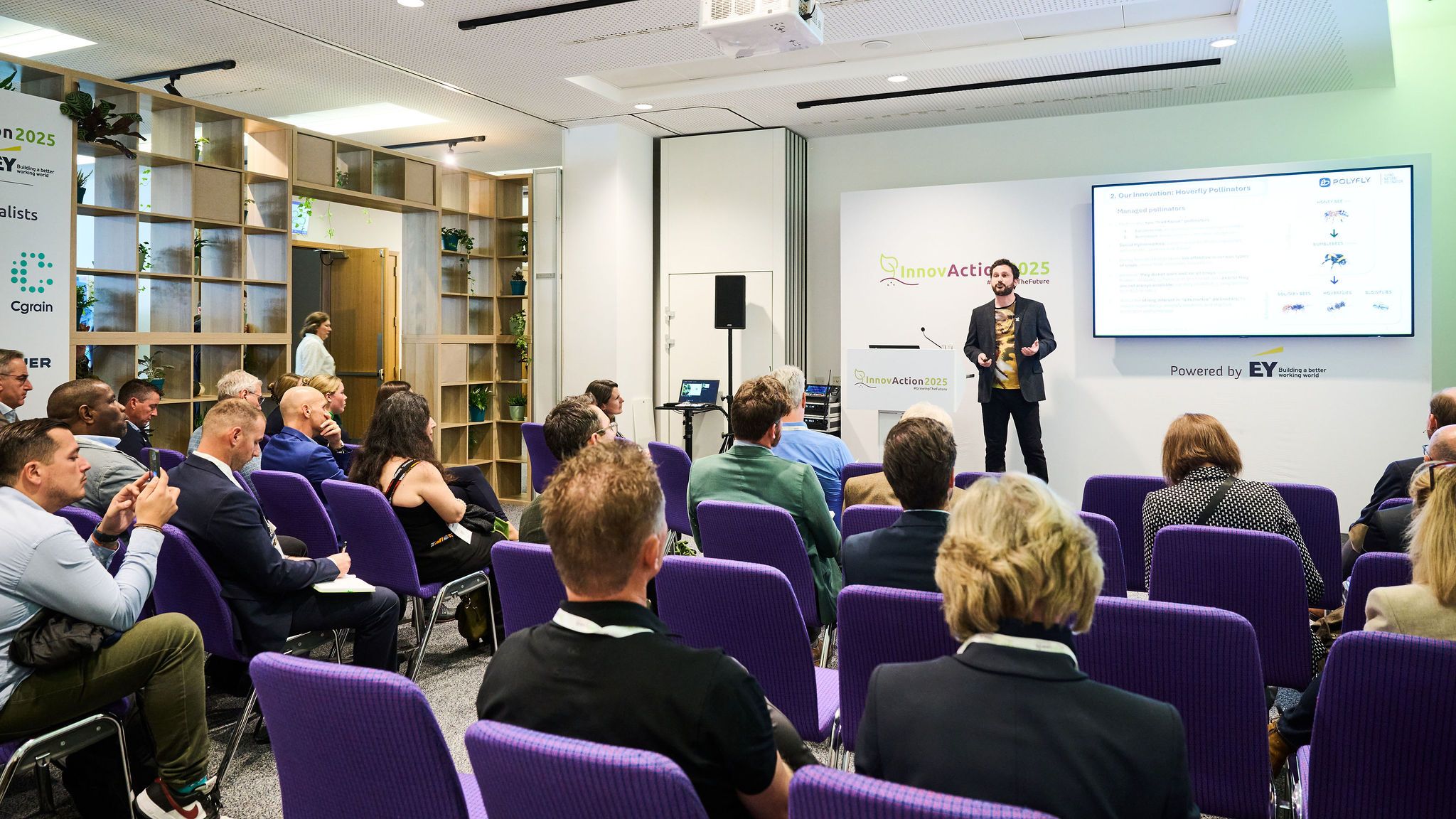
This media interest comes at a perfect moment, reinforcing the recent success achieved at the Euroseeds InnovAction Stage 2025, where Polyfly was awarded second place. That a reference publication such as Seed World and the European seed industry align in recognising our work confirms that the sector is ready to “add a new wing” to pollination.
Beyond the bee: diversifying the pollination “toolbox”
For decades, agriculture has relied almost exclusively on a “one-size-fits-all” model: the honeybee and the bumblebee. While they are iconic and effective pollinators, they are not infallible. Climate change, stress in enclosed environments, and reduced activity on cloudy or cold days have exposed the limitations of relying on a single species, whether bumblebee or bee. This is where Polyfly comes in. As Marc Vaez-Olivera explains: “our mission is not to replace bees, but to provide resilience”.
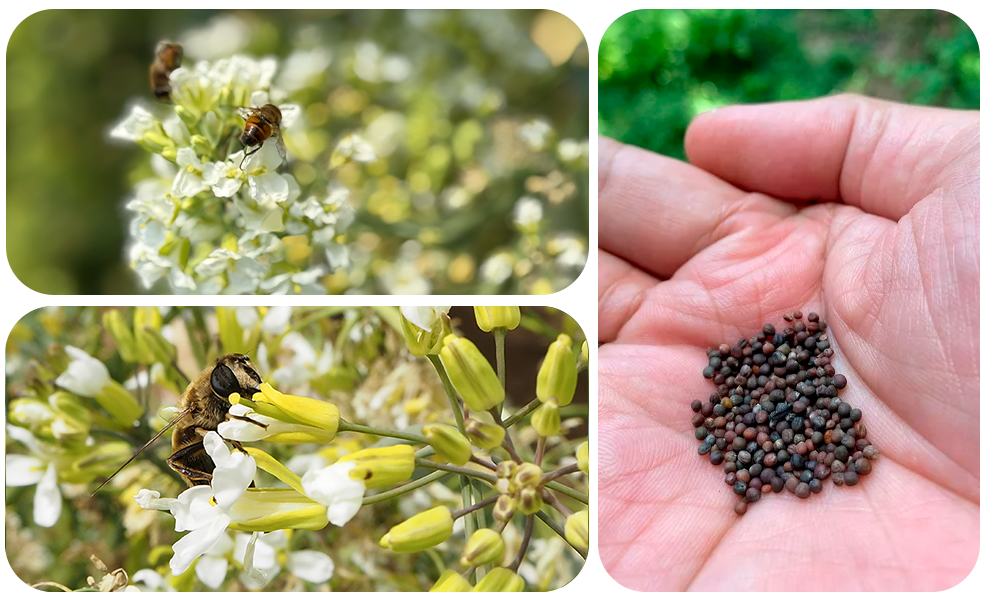
Hoverflies, specifically our Queenfly® (Eristalis tenax) and Goldfly (Eristalinus aeneus) lines, address the gaps left by traditional pollinators:
- Resilience in protected environments: Unlike bees, which suffer stress and disorientation in greenhouses or tunnels, our hoverflies work efficiently and calmly in enclosed spaces.
- Greater pollination activity: Active at lower temperatures and with less light, they ensure pollination continues even when weather conditions are suboptimal.
- Low floral discrimination: With hairy bodies ideal for pollen transport and no stingers, they provide a safe working environment and superior cross-pollination in complex crops.
From theory to industrial reality
Polyfly’s true disruption is not only biological, but industrial. “Our innovation lies in the ability to produce these species at a scale capable of serving thousands of hectares”, says Vaez-Olivera. By transforming pollination into a precision input and supplying pollinators in the pupal stage, we enable farmers to release the exact quantity needed at the precise moment, eliminating the logistical burden of maintaining live, fixed hives throughout the year. This is “à la carte” pollination: scalable and predictable.
Looking to the future, Polyfly is expanding beyond Europe, initiating operations in the Southern Hemisphere and exploring markets in South Africa and Japan for high-value crops such as avocados, berries and almonds.
We are proud to lead this new chapter in the history of agricultural pollination: the era of managed hoverflies. By diversifying pollination agents, we not only secure yields today, but also support tomorrow’s food security in the face of a changing climate.
To read the full original interview in English published in Seed World Europe, click here.