Hoverflies and the future of sustainable pollination management



At Polyfly, we understand that pollination is an absolutely essential driver of fruit and seed production worldwide. However, modern agriculture has developed an excessive dependence on bees and bumblebees, turning this vital process into a major challenge. Our goal is to transform this reality, because we know that managing pollination correctly is the most important step toward improving crop yields and developing food production systems that are truly sustainable in the long term. That is why we were founded in 2017 in Almería, at the heart of Europe’s fruit and vegetable industry, with the mission of contributing to global food security by rehabilitating this essential ecosystem service while promoting on-farm biodiversity.
The challenge of pollinating in protected environments
One of the biggest challenges that farmers face today lies in protected growing environments, such as greenhouses, tunnels, and glasshouses. In these spaces, traditional pollination is often very limiting, as variations in internal environmental conditions —temperature, light, and humidity— can dramatically affect the behavior and effectiveness of bees and bumblebees.
When conventional pollinators don’t find optimal conditions, they simply stop visiting flowers, and the farmer sees fruit set compromised despite investing in water, fertilization, and crop management. Understanding these limitations, we saw the need to introduce a resilient alternative capable of thriving precisely under those conditions where other pollinators fail.
Hoverflies: the second largest group of pollinators in the world
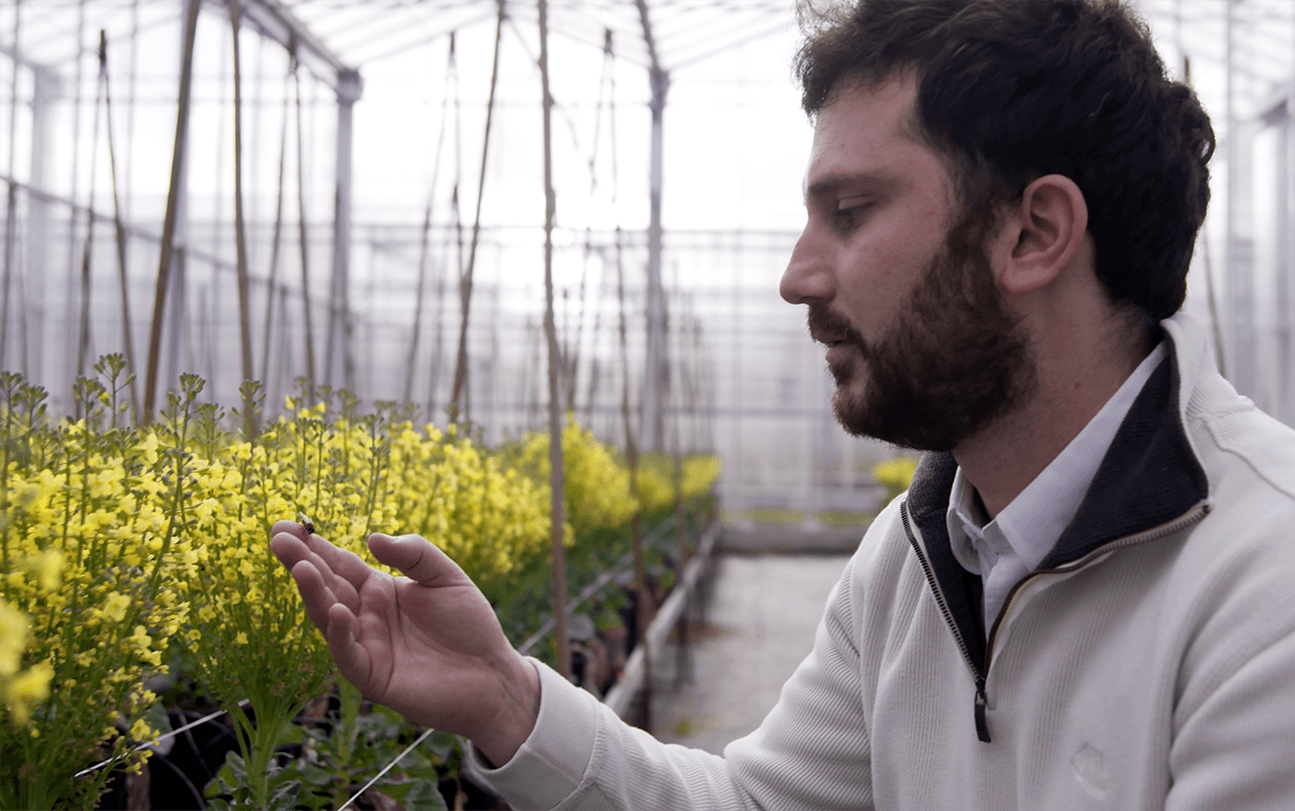
To address these climatic and operational challenges, at Polyfly we have bet on the power of hoverflies (syrphid flies), the second largest group of pollinators on the planet after hymenopterans. Although they don’t belong to the order of bees and bumblebees, these flies are highly effective natural pollinators: their body is large and hairy, allowing them to carry a high pollen load, and they show low floral discrimination, frequently visiting an enormous variety of flowers. Moreover, they remain active and efficient even under adverse weather conditions such as extreme temperatures, wind, or cloud cover —situations in which bees drastically reduce their activity.
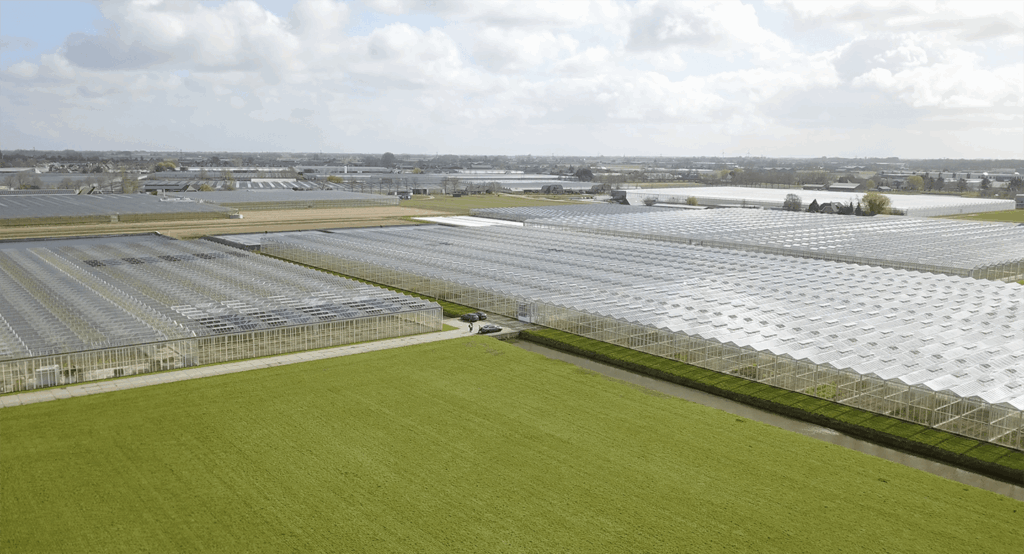
At our facilities, we are global pioneers in the research, production, and commercialization of hoverflies as managed natural pollinators. In fact, we were the first company in the world to successfully “domesticate” and produce two pollinating hoverfly species under 100% controlled conditions, and today we operate the world’s first industrial facility exclusively dedicated to their mass-rearing. This work is embodied in our two commercial solutions: QUEENFLY (Eristalis tenax) and GOLDFLY (Eristalinus aeneus), each adapted to different crops and field conditions. By integrating our hoverflies into growing systems, farmers achieve better pollinator diversity, which translates into greater foraging activity and, overall, much more complete and efficient flower pollination —particularly effective in the cross-pollination that so many crops require.
A deployment system designed with the farmer in mind
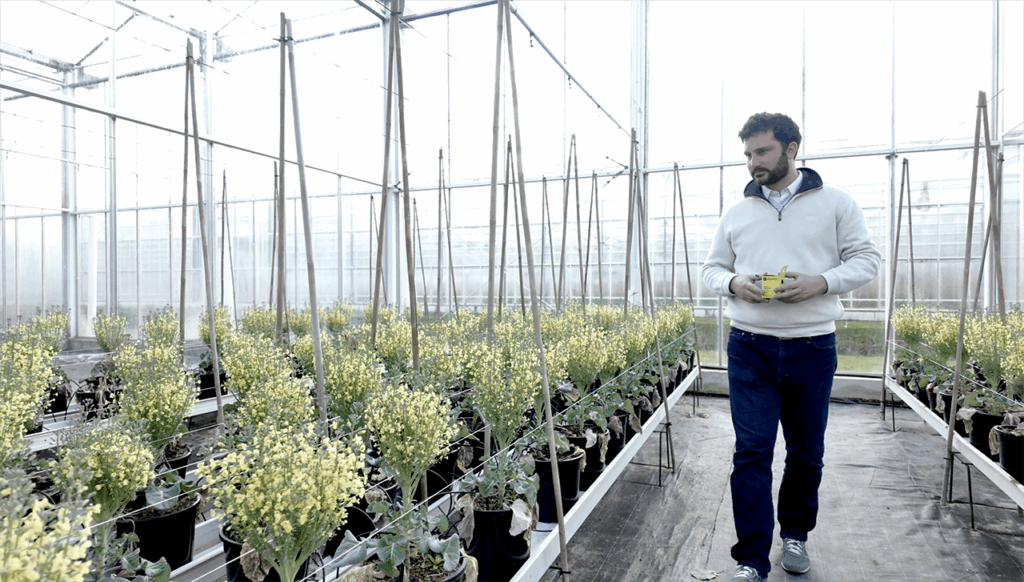
With the farmer’s convenience in mind, we have developed an incredibly simple and accessible deployment system. We present our hoverflies in ready-to-use, recyclable boxes containing the pupae inside. We offer five different formats, ranging from 50 to 20,000 pupae per box, so that each grower can scale pollinator introduction according to the actual size and needs of their crop.
These boxes are designed to be shipped and delivered anywhere in the world —we are already present in markets as distant as Japan, where our hoverflies pollinate strawberries, watermelons, and melons— and once placed in the crop, the adult flies simply emerge from their pupae and begin their pollination work immediately, with no specialized handling required.
Safety for people and compatibility with crop management
Safety and compatibility with crop management are other pillars of our value proposition. Bees and bumblebees can be aggressive and sting, which poses a risk to crop management; a clear example occurs in South Africa, where workers are harvest blueberries under netting. Our hoverflies, on the other hand, have no stinger, do not sting, and are completely harmless to growers and harvesters. This greatly facilitates simultaneous pollination and harvesting operations —something that, in many crops, is operationally complicated with conventional pollinators.
Unlike other models, Polyfly has successfully industrialized the breeding of hoverflies, positioning itself as one of the first companies worldwide to produce these insects at commercial scale for agricultural applications. This breakthrough enables the company to provide a standardized, controlled, and scalable solution that can be integrated into different crop production systems.